
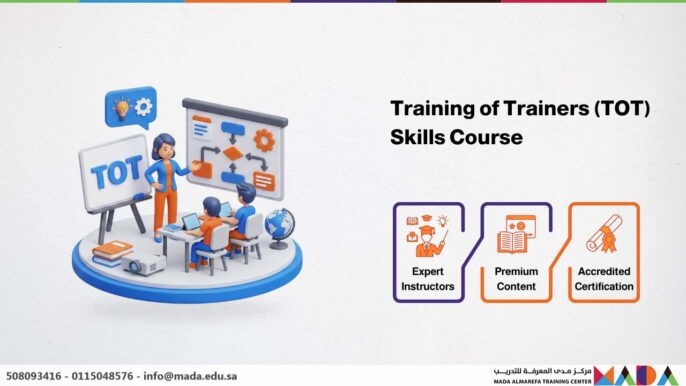
This flagship program builds an advanced theoretical and practical foundation for designing and delivering high-impact training programs. The course equips participants with comprehensive knowledge of adult learning dynamics (andragogy), evidence-based instructional design, dynamic classroom management, and influential communication. Designed for ambitious professionals, this program qualifies participants as certified trainers capable of transferring knowledge, elevating workforce performance, and driving sustainable organizational excellence.
Course Objectives
- Understand the foundational principles of the modern training ecosystem and the evolving role of corporate facilitators.
- Master the systematic stages of instructional design and the development of robust training packages.
- Adopt and adapt high-impact delivery methods tailored to diverse adult learning styles.
- Refine executive presence, vocal dynamics, body language, and stage-management techniques.
- Build a rigorous framework for evaluating training efficacy, knowledge retention, and business ROI.
Target Audience
- Managers, department heads, and team leaders responsible for staff coaching and talent enablement.
- Human Resources (HR) professionals and Learning and Development (L&D) specialists.
- Educators, academic lecturers, and vocational training practitioners.
- Subject matter experts and consultants seeking formal certification as corporate trainers.
Course Outline (5-Day Program)
The curriculum is structured systematically across five intensive days:
Day 1: Foundations and Strategic Value of TOT
- The strategic role of Training of Trainers (TOT) within modern enterprises.
- Distinctions between training, education, mentoring, and professional coaching.
- Core competencies and responsibilities of the modern facilitator.
- Building internal subject matter expertise to secure organizational knowledge retention.
Day 2: Training Needs Analysis (TNA) and Program Design
- Methodologies for diagnosing performance gaps and conducting needs assessments.
- Formulating actionable, outcome-driven learning objectives using the SMART framework.
- Curriculum selection, structuring, and alignment with target audience profiles.
- Sequencing course flow: introductions, core modules, interactive exercises, and conclusions.
Day 3: Facilitation Techniques and Delivery Methods
- Contemporary delivery formats: interactive lecturing, panel discussions, and business case studies.
- Leveraging instructional multimedia, digital tools, and collaborative platforms.
- Adapting instructional strategies for visual, auditory, and kinesthetic learners.
- Facilitation tactics that stimulate active participation and reinforce cognitive retention.
Day 4: Executive Delivery Skills and Classroom Dynamics
- Verbal communication, vocal tone modulation, and intentional body language.
- Managing challenging classroom personalities and diverse behavioral styles.
- Time management and pacing control across complex session schedules.
- Projecting authority, building psychological safety, and establishing instant rapport.
Day 5: Training Evaluation and Impact Assessment
- Global evaluation frameworks (e.g., the Kirkpatrick Model) for multi-tier impact analysis.
- Designing post-training assessment metrics, feedback loops, and participant surveys.
- Tracking behavioral changes, workplace productivity shifts, and return on investment (ROI).
- Synthesizing evaluation data to continuously refine future training initiatives.
Key Learning Outcomes & Strategic Impact
- A structured mastery of modern adult learning theory and instructional design.
- The capability to design modular, business-aligned training content from scratch.
- High confidence in public speaking, platform delivery, and audience management.
- The skill set to measure training effectiveness and articulate measurable value to leadership.
- The ability to build internal organizational resilience, boost team capability, and champion innovation.
This course represents a strategic investment in human capital, transforming subject-matter specialists into certified facilitators who can institutionalize knowledge, drive operational capability, and lead organizational growth.

