
About the Course
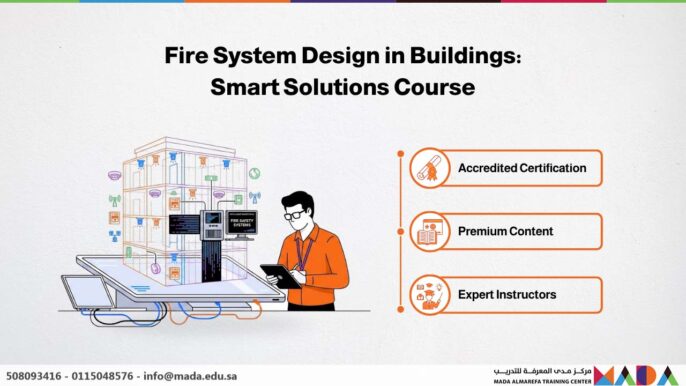
The Fire System Design in Buildings: Smart Solutions course is a specialized professional training program designed to meet the evolving demands of the safety and accident prevention sector. This online course introduces modern concepts and smart applications for designing automated detection and suppression systems. It focuses on securing facilities and protecting lives and property by leveraging the latest technological advancements in fire engineering.
Course Objectives
- Understand international standards and specifications for fire protection system design.
- Identify the latest smart solutions used in fire detection and early warning systems.
- Design appropriate fire suppression systems for diverse building types and occupancies.
- Evaluate potential risks and determine safety requirements across various urban environments.
- Utilize modern digital tools for the planning and implementation of fire protection networks.
- Apply principles of system integration (Electrical, Plumbing, and Security) within smart building projects.
- Gain proficiency in local and international codes, including NFPA, IBC, and MOE.
Course Curriculum
Day 1: Introduction to Fire System Design and Smart Applications
- Core concepts and classifications of fire protection systems.
- The role of smart solutions in enhancing system response and reliability.
- Overview of international safety standards (NFPA, IBC, MOE).
- Analyzing building needs based on hazard classification and occupancy type.
Day 2: Early Fire Detection Technologies
- Types of detection devices: Thermal, Smoke, and Radiant/Flame sensors.
- Designing automated alarm networks and optimal device distribution.
- Integrating detection hardware with Smart Building Management Systems (BMS).
- Strategic placement of detectors according to facility type and design codes.
Day 3: Automated and Manual Suppression Systems
- Components of automated suppression systems (Piping, Sprinklers, and Control Valves).
- Designing Wet Pipe and Dry Pipe sprinkler systems.
- Clean Agent gas suppression systems and their applications in sensitive facilities (Data Centers, Museums).
- Emergency exits and safety lighting: Integration with the fire master plan.
Day 4: Smart System Integration and Project Design
- Strategies for integrating fire protection with security and alarm infrastructures.
- The role of BMS in active fire safety and emergency management.
- Case Study: Designing a comprehensive protection system for a mixed-use residential/commercial building.
- Introduction to software tools used in drafting and designing fire protection systems.
Day 5: Risk Assessment, Quality Assurance, and Handover
- Methodologies for risk assessment and identifying system vulnerabilities.
- Reviewing executive shop drawings for technical compliance.
- The concept of predictive and preventive maintenance for life safety systems.
- Project handover documentation and meeting regulatory authority requirements.

